

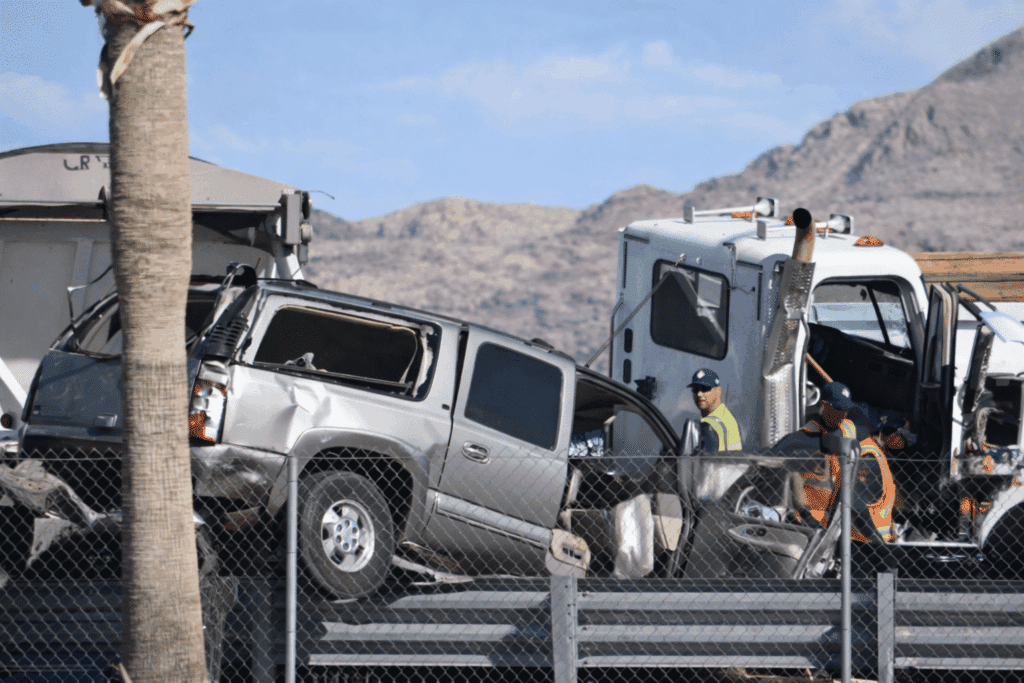
Dump trucks operate in two vastly different worlds. On the construction site, they navigate around equipment, scaffolding, and the many workers on the site, including the dump truck operators themselves. On public highways, dump trucks carry large loads of materials, which can shift or spill, creating hazards for drivers of other vehicles. Each environment creates risks to the people using the dump truck and the other individuals affected by the operation of the dump truck. Individuals who are injured by dump trucks frequently find themselves dealing with complex and often confusing issues regarding workers’ compensation, third-party liability, and which entity owns the truck that caused the injury.
At Jay Murray Law, our attorneys help individuals who have been injured by dump trucks and construction vehicles. Our lawyers investigate the circumstances surrounding the incident, determine who failed to fulfill their obligations, and develop and pursue lawsuits against the appropriate entities responsible for causing the injury. This process begins with determining whether an individual suffered an injury as a result of a workplace accident or as a result of a motor vehicle collision, since the manner in which compensation may be pursued varies significantly based upon whether the injury occurred at work or as a result of a motor vehicle collision.
There are numerous reasons why dump trucks pose significant risks to the individuals operating and riding in the vehicles, as well as to other motorists and pedestrians in close proximity. For example, a dump truck can weigh approximately thirty tons, and due to the massive size and weight of these vehicles, it takes a considerable amount of time to stop, and driver errors may not be forgiven. Additionally, dump trucks have a raised bed area (i.e., the bed area of the truck that is designed to elevate), which creates a blind zone behind the truck that can obscure an entire vehicle. While truck operators attempt to compensate for the blind zone with the use of mirrors, mirrors have blind spots, and people get injured in those blind spots.
Another hazard associated with dump trucks is the hydraulic systems used to raise and lower the dump beds. Those systems can malfunction. If the dump bed falls unexpectedly, it can crush the individuals standing or working below. Similarly, tailgates that do not lock properly can open while the truck is in motion, spilling gravel, dirt, or broken-up concrete onto the roadways.
Finally, unstable loads can create additional hazards. For example, a rock placed too high on one side of a dump truck can shift when the truck makes a turn. Additionally, wet soil can add unexpected weight to a dump truck, exceeding the weight limit of the vehicle at the time of loading. When a truck operator does not adjust the speed of the vehicle for the type of cargo being transported, the vehicle can tip or swing excessively into the next lane when attempting to make a turn, causing collisions with other vehicles.
Construction sites provide multiple hazards in relatively confined areas. Trucks backing up to the edge of trenches, turning around stacks of materials, navigating narrow pathways, and traveling through poorly lit areas can increase the likelihood of collisions. Further, construction sites include uneven surfaces, muddy conditions, and workers focused on their own activities, increasing the opportunity for collisions to occur.
Further, equipment malfunctions occur more frequently than they should. For example, brakes that work perfectly when the truck is unloaded may not function adequately when the truck is fully loaded. Tires worn down from harsh terrain can blowout on the highway. Steering systems stressed from continuous use can fail at the most critical moment. Regular inspections can detect these types of equipment malfunctions; however, not every company conducts regular inspections.
Related
Dallas Box Truck Accident Lawyer
Dallas Cement & Concrete Truck Accident Lawyer
Liability on Construction Sites
Depending on where the accident occurs, there will be differences in applicable law and parties who can be sued. An injury occurring at a construction site is governed by different rules than a collision occurring on Interstate 30.

Hurt? Let Jay and His Team Help You
Call for YOUR FREE Case Review
 (214) 855-1420
On-Site Injuries and Workers’ Compensation
Typically, construction workers injured at a worksite are entitled to workers’ compensation. Texas employers with five or more employees generally must obtain workers’ compensation insurance to cover the cost of medical treatment and partial wage replacement for injured employees. Unlike filing a personal injury lawsuit, workers’ compensation is paid by the employer regardless of whether the employee’s injury resulted from the employer’s negligence. However, workers’ compensation provides limited recovery. Employees cannot receive compensation for pain and suffering, and the wage replacement is typically less than what the employee earned prior to the injury.
Workers’ compensation also prohibits an employee from bringing a lawsuit against his/her employer, even if the employer’s negligence caused the accident. However, an employee can bring a separate lawsuit against other parties. If a dump truck operated by a different contractor strikes an employee, or if the employee is injured by a piece of defective equipment, the employee can bring a lawsuit against the contractor or manufacturer. Construction sites can include a variety of entities, including general contractors, subcontractors, equipment rental companies, and parts suppliers, any of whom may be liable.
Third-party lawsuits permit an employee to seek damages not available under workers’ compensation. This includes lost wages, damages for permanent injuries, and damages for the physical and emotional impact of the accident, so long as the employee can establish that the third party was negligent.
Accidents Occurring on Public Highways
Motorists, bicyclists, and pedestrians struck by construction trucks are not subject to the same restrictions as construction workers and can file a lawsuit against the driver and/or owner of the truck. Negligence actions are filed against the owner/operator of the truck in the same manner as other negligence actions involving motor vehicles. Liability for the actions of the truck operator will depend on whether the driver was acting within the scope of employment at the time of the accident. A common theory of liability is respondeat superior, which permits an employer to be held liable for the tortious acts committed by their employees during the course of their employment.
Common Causes of Dump Truck Collisions
Improper Load Management
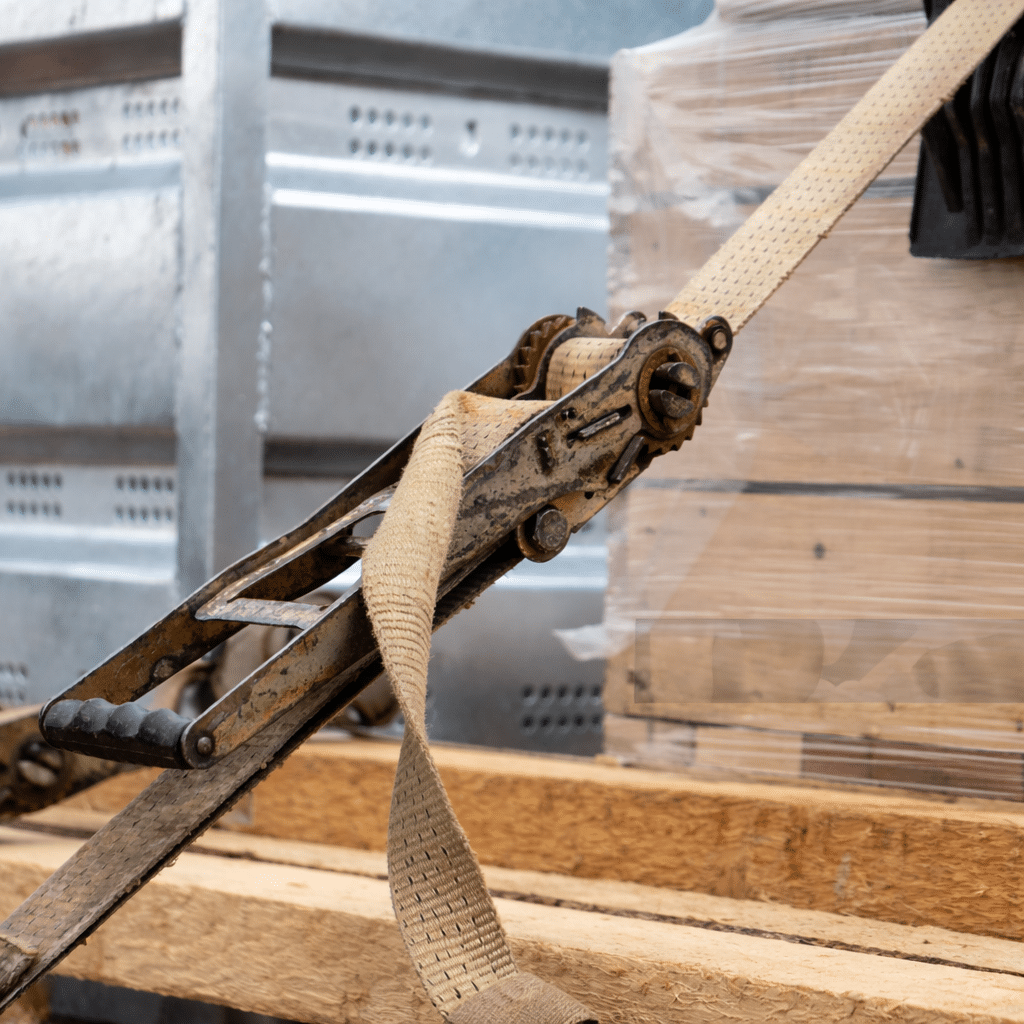
Dump trucks have weight limits that are established for a reason. Dump trucks that exceed those weight limits tend to handle poorly. The brakes on dump trucks must work much harder to slow the vehicle, and the vehicle’s ability to maintain stability is severely impaired. Some construction companies encourage their drivers to carry heavier loads than recommended in order to decrease the number of trips required to complete a project. While fewer trips equate to lower fuel consumption and faster completion of projects, they also equate to increased risk of accidents.
Dump truck operators must consider the placement of cargo in the bed of the truck in addition to the total weight of the cargo. Cargo that is loaded improperly, either by being loaded unevenly or by having too much cargo loaded into the bed of the truck, can affect the handling of the vehicle. Loads that are placed unevenly will pull the truck in the direction of the heavier side. Cargo that is piled too high will raise the center of gravity of the truck and make it more susceptible to rollover accidents. Dump truck operators who do not check the load of their truck before exiting the construction site to travel on public roadways will learn about the consequences of improper load management when it is too late to correct the problem.
Loose Materials
Dump trucks often transport loose materials that should be secured with a tarp. When the materials are not secured, rocks, dirt, and debris will fly off the truck and strike other vehicles. Small stones at highway speeds can shatter windshields. Larger debris can cause drivers to swerve or brake rapidly, which can lead to multi-vehicle accidents.
Inadequate Driver Training
Not every person operating a dump truck has sufficient experience to operate the vehicle safely. Some construction companies hire inexperienced personnel and provide them with a cursory review of the dump truck’s operational features before sending them on their way. Learning by doing may be effective in low-risk environments, but construction sites and high-speed highways are not conducive to learning by doing. Operating a dump truck requires knowledge of its dimensions, blind spots, and stopping distances. Dump truck operators must also understand how to adjust their speed according to the weight of the load they are transporting and how to ensure that the bed of the dump truck is completely lowered before traveling under bridges or power lines. Failing to follow basic safety procedures will increase the chances of accidents, which experienced operators would have avoided through proper training.
Reckless Operation and Speed
Aggressive time constraints associated with construction projects can compel drivers to exceed safe speeds. Deadlines associated with construction projects do not take into account safe driving practices, and some drivers choose to ignore safe driving practices by speeding, failing to come to a complete stop at red lights or yellow lights, or making erratic lane changes. Dump trucks are not sports cars. They cannot accelerate through traffic lanes or stop quickly enough to avoid a collision. Therefore, reckless driving practices by dump truck operators put everyone at risk.
Driver Fatigue
Additionally, driver fatigue contributes to reckless driving. Construction workers often begin their shifts early in the morning and work until after sundown, and as a result, become fatigued. Fatigue impairs reaction times, reduces judgment, and increases the likelihood of an accident. Long hours are common among construction workers, but combining long hours with the operation of a massive, heavy-duty vehicle like a dump truck dramatically increases the risk of an accident.
Mechanical failure occurs due to the hard use of dump trucks. Dump trucks are operated on rough roads, haul very heavy loads, and are subject to environmental factors that contribute to the early deterioration of materials. As a result, the brake pads of a dump truck wear down much faster than those of a standard truck. The hydraulic lines leak. And the suspension components break.
Maintenance programs take into consideration the abuse to which dump trucks are subjected. However, compliance with these programs requires considerable time and expense. Revenue is lost when a truck is out of service for repairs. In order to avoid losing revenue, many companies delay scheduling inspections or repairs of equipment. Eventually, the inevitable happens. A critical component of the truck fails.
The causes of the mechanical failure include tire blowouts, brake failure,s and hydraulic malfunctions that have resulted in accidents that we have had to handle. When a mechanical failure results in an injury-producing accident, the issue becomes whether the company that owned/operated the truck knew that there was a problem and intentionally chose to ignore it, or whether the component failed as a result of a manufacturing defect or design flaw that made the product unreasonably hazardous.
Liability for manufacturers of products that cause unreasonable danger can be established based upon either a manufacturing defect or a design flaw.
Dallas Truck Accident Lawyer
Call for YOUR FREE Case Review
Hurt?
Let Jay and His Team Help You!
Call for YOUR FREE Case Review
Injuries and Damages
Construction truck accidents rarely result in minor injuries. Because of the size of the vehicles and the extreme forces that come into play during a collision, severe and permanent injuries can occur. Examples of such injuries include spinal fractures, traumatic brain injuries, crushed limbs, and internal organ damage. Unfortunately, some victims die as a result of their injuries.
While serious and permanent injuries may not necessarily result in immediate death, the consequences of these types of injuries are long-lasting and far-reaching. For example, back injuries that require surgical intervention and/or months of rehabilitation, and injuries to the shoulders and knees that limit one’s ability to engage in certain types of work are examples of such injuries. In addition, facial scarring that does not fade is another example of an injury that has long-lasting consequences.
In addition to the economic costs associated with injuries such as medical expenses (both past and future), rehabilitation, assistive devices, home modifications for accessibility, and ongoing care, the victim will also suffer from lost wages. This includes wages that were missed as a result of the accident and wages that cannot be replaced if the victim is unable to return to his/her previous occupation.
Victims of construction truck accidents can also seek compensation for pain and suffering, loss of enjoyment of life, and emotional distress. Additionally, if the actions of the defendant were particularly egregious, punitive damages may also be awarded.
Steps Following a Construction Truck Accident
Your first priority must be obtaining medical attention. Regardless of whether you believe you are “fine,” you should call for help and allow emergency responders to treat you. Adrenaline can mask the severity of your injuries, and it is not uncommon for injuries to manifest themselves only after the initial shock of the accident has worn off. Obtaining medical attention creates a medical record that ties your injuries to the accident, and this will become important later in the process.
After receiving medical treatment, you should report the accident to the appropriate person. On a construction site, you should inform your supervisor and ensure that an incident report is completed. On a public roadway, you should remain at the scene until the police arrive and cooperate with their investigation. Leaving the scene before the police arrive can lead to criminal charges that you do not want to incur.
If you are able to collect evidence at the accident scene, you should do so. Take photographs of the truck, your vehicle, the surrounding area, and any visible injuries that you sustained. Record the company name of the truck, its license number, and any other identifying numbers. Also, try to obtain the names and contact information of any witnesses to the accident.
Do not discuss who is at fault for the accident with anyone other than law enforcement personnel and your attorney. While it may seem like a good idea to apologize to the other party or speculate about things that you could have done differently, any admission of fault can be used against you later in the proceedings. Insurance adjusters will ask you to give a statement regarding the accident, and they will often ask you to provide a statement when you are still recovering from your injuries and may not yet fully appreciate the extent of your injuries.
Document Everything Related to the Accident
Regardless of whether you have obtained a medical evaluation, and regardless of whether you have spoken with an attorney, it is essential that you preserve every document related to the accident. Documentations related to the accident can include medical records, medical bills, medical prescriptions, pay stubs, and communication with the insurance company. All of these documents will ultimately become part of your case file, and failing to preserve the documentation will likely weaken your position when you attempt to prove the extent of your damages.
Hurt? Let Jay and His Team Help You
Call for YOUR FREE Case Review
Consult a Lawyer Who Handles Construction Truck Accidents
Due to the complexity of the legal issues involved in construction truck accidents, including the determination of liability among multiple parties (i.e., the employer, the owner/operator of the truck, etc.), and the potential involvement of workers’ compensation and/or third-party insurance carriers, it is advisable that you consult with an experienced attorney who has experience handling construction truck accidents. An early consultation with an attorney will enable you to retain the services of investigators, expert engineers, and safety consultants, and will also enable you to preserve evidence and interview witnesses prior to their memories fading and prior to the scene being altered or destroyed.
Investigation and Gathering Evidence
We investigate the accident by visiting the accident site(s). Construction sites and roadways often leave behind a “story” through the physical characteristics of the area, including skid marks, gouges in the pavement, and debris fields. We photograph these areas and document them before the weather and cleanup destroy them.
We gather any relevant documentation. Documentation may include police reports, site incident reports, the driver’s employment history, the truck’s maintenance history, and any digital data captured by the truck prior to the accident. Many modern commercial trucks have systems that capture data concerning the speed of the truck, the rate at which the brakes are applied, and other data leading up to the accident. This data can support or refute the claims made by the truck driver.
Technical Questions?
We hire experts to address technical questions and disputes. Accident reconstruction specialists examine physical evidence to determine the speed of the vehicles and the angle of impact. Engineers examine the truck to determine if the mechanical failure of the truck was the result of a design defect or a manufacturing defect. Safety consultants evaluate site conditions and practices to determine if they comply with applicable regulations and industry standards.
Identifying Responsible Parties
Determining who is responsible for the accident is a crucial element in determining the amount of damages to which you may be entitled. Construction truck accidents typically involve multiple defendants. These defendants may include the driver, the company that employed the driver, the general contractor who oversaw the construction project, the company that loaded the truck, and the manufacturer of the defective part. Under Texas law, an injured plaintiff may recover damages from each defendant whose negligence contributed to the plaintiff’s injuries, even though each defendant may be responsible for only a portion of the total damages.
Insurance Claims
Construction truck accident claims may involve multiple insurance policies and multiple insurance companies. We negotiate with insurance companies to maximize the value of your claim. We also defend against attempts by the insurance companies to minimize the value of your claim or to deny coverage altogether. If settlement negotiations fail, we will prepare your case for trial. We represent clients in the Dallas Courts and have extensive knowledge of how to effectively present evidence to a jury.
Contingent Fees
We accept cases on a contingency fee basis. You will pay us nothing unless we successfully obtain compensation for you.
Free Case Evaluation
We offer free case evaluations to individuals who have been injured in a construction truck or dump truck accident in Dallas. Please call us at your convenience or fill out the online inquiry form.
You do not have to navigate the complexities of the law regarding construction truck accidents alone. Allow us to handle the legal aspects of your case while you focus on your recovery. Those responsible for your injuries should be held accountable, and you deserve to be fairly compensated for the harm that you have suffered.
 Call (214) 855-1420
