


When you have filed a lawsuit in a Texas court, prior to your attorney withdrawing from representing you, it is generally required that the attorney receive the court’s permission to do so. Withdrawal by your attorney, while possible, does not automatically terminate your claim nor prevent you from obtaining damages for your injuries. If you believe that your attorney is considering withdrawal, ask him/her why, request a copy of your case file (or make arrangements to get one), verify when all outstanding time-sensitive deadlines and court schedules are due, and immediately consult with another competent attorney specializing in personal injury law.
Key Takeaways
-
An attorney may decide to drop a case if the attorney believes the client does not have enough evidence to win, or if the potential for recovering money through the courts is too low, or because the client is uncooperative with respect to providing information necessary for the attorney to pursue the best possible result.
-
Before filing a lawsuit, an attorney typically will need no court approval to withdraw from representation of their client, however, they are required by Texas Rules of Professional Conduct and to take all necessary actions that protect the best interest of their client.
-
However, once a lawsuit has been filed (litigation), an attorney may only withdraw from representation if authorized to do so by the Court. The primary purpose behind this authorization requirement is to protect your rights as the client.

Hurt? Let Jay and His Team Help You
Call for YOUR FREE Case Review
 (214) 855-1420
Reasons Why Your Personal Injury Lawyer Might Drop Your Case
There are many valid and acceptable reasons why an attorney representing a client who has been injured in some manner as a result of someone else’s actions (and thus pursuing a claim for personal injuries) will elect to discontinue representation of their client. Included among those reasons are the lack of sufficient evidence regarding the nature and extent of the client’s injuries as well as the client’s failure to cooperate in efforts to prove the defendant was negligent. All three of these areas can have a substantial negative impact on an attorney’s ability to provide effective representation of his/her client and thereby produce a successful outcome to the lawsuit.
Understandably, knowing which factor(s) are primarily responsible for an attorney’s decision to discontinue representation of their client provides valuable insight into the attorney’s perspective on the merits of the case. Understanding whether the cause of the discontinuation of representation stems from an inability to adequately document the plaintiff’s injuries due to insufficiencies in evidence, financial impracticalities associated with proceeding with litigation, or difficulties associated with communicating with the client enables the injured party to understand the root causes of the discontinuance and make adjustments so as to gather more evidence to support claims of fault by the defendant.
Lack of Sufficient Evidence
A major reason attorneys may choose to discontinue representation of clients who have suffered personal injuries is because they believe there is not sufficient evidence available to support a finding of liability. When attorneys determine that it will be difficult to successfully pursue a claim against another party based upon inadequate documentation and/or insufficient evidence, it’s likely they will conclude that their chances of obtaining a favorable verdict for their client will be remote at best. Attorneys require adequate documentation of both the other party’s negligence/liability and the extent of their client’s injuries in order to obtain compensation for their client.
Lower Than Expected Compensation
The financial aspects of taking on a case will likely impact a lawyer’s decision as to whether he/she should drop the case:
Financially, a lawyer may determine that there are no justifiable reasons to pursue a case when the amount he/she would have to invest to take the case to trial exceeds what could be recovered financially.
Many personal injury attorneys represent clients under a “contingency fee” agreement. This means that an attorney receives payment only after your case has received a recovery from a settlement or judgment. However, the lawyer’s fee is determined by the terms of the written Fee Agreement, with possible earnings from both judgments and settlements.
In many workers’ compensation cases, this lack of payment may cause the attorney to withdraw from representation if the attorney believes that the expected reimbursement for the services rendered by the attorney (including but not limited to; experts and medical evaluations) is less than the cost of those services.
You can clear up any questions regarding fees and get some idea of how much money you might recover during a complimentary consultation with a personal injury attorney. Additionally, understanding the financial realities involved in recovering damages will also assist you in making decisions about which law

yer best represents your interests and can obtain the best possible outcome for you.
Client’s Failure to Cooperate
A third area where a personal injury lawyer may have difficulty pursuing a claim for an injured person is when they encounter failure of cooperation from the client. When clients fail to respond in a timely manner to questions by lawyers regarding their case, when clients do not adequately communicate with lawyers about their case, or when clients take action that is directly opposite from what the lawyers recommend, this can negatively affect how well the client’s case will be able to moveforward.
As a result, if a client demands to settle the case before talking to their lawyer, they may undermine the plan of action recommended by the lawyer. The ultimate effect could be termination of representation.
Related Article(s)
What Happens When a Lawyer Withdrawls
A withdrawing attorney generally must provide clients with reasonably timely notification prior to withdrawal and will have obligations to act as best possible to represent their clients’ interests in light of the attorney’s duty to act fairly, but there is no requirement on behalf of the attorney to reveal all facts surrounding the reason for their withdrawal.
To protect the client, the attorney must undertake reasonably practicable measures to do so, which include providing the client with reasonable notice and sufficient opportunity to seek alternative representation. If the attorney is representing a client in litigation, then prior to withdrawing (unless it is permitted by the Court) the attorney typically has to get court approval and be compliant with Texas Rule of Civil Procedure 10.
Both attorneys and clients benefit when this process is followed because it avoids disrupting the claims process, keeps both parties informed and allows each party to proceed with their respective interests without delay.
The attorney’s process of withdrawing from your case may vary depending upon whether the withdrawal takes place before or after litigation commences. Prior to filing a lawsuit, attorneys do not generally require either the consent of the client or court approval for withdrawal. However, Texas professional conduct standards still apply. However, after appearing in a lawsuit on behalf of a client, attorneys generally are obligated to follow Rule 10 and obtain Court Approval for withdrawal.
Withdrawal Before Litigation
Withdrawal prior to litigating (i.e., withdrawing from a pending lawsuit) can be faster and less formal than withdrawal after litigation begins. Before filing a lawsuit, withdrawing from a representation typically will not require a motion to withdraw or other court action; however, compliance with Texas Disciplinary Rules of Professional Conduct (Texas Ethics) Rule 1.16 is still necessary. Additionally, withdrawal prior to trial can help prevent unneeded delays and allow the client to locate additional counsel without losing time on their case.
If it would be financially impractical to continue with a case, a lawyer may withdraw from representation; however, this is subject to compliance by the attorney with applicable Texas Ethics Rules, and once a lawyer appears before a court for that case, if necessary, obtain any approvals required by the Court for withdrawal.
Understanding the process for pre-litigation withdrawal will enable you to quickly and efficiently react should your attorney choose to withdraw early from your case.
Withdrawal After Litigation Begins
The process for withdrawal after litigation has begun is more involved and necessitates court approval:
- A lawyer handling a personal injury matter cannot unilaterally withdraw from a case once litigation has commenced, unless the court permits them to do so.
- The court will consider the attorney’s motion and decide if the legal requirements for withdrawal have been satisfied.
- The court will examine the rationale for the attorney’s decision to withdraw prior to approving or denying the motion.
Thus, post-litigation withdrawal provides some assurance that the client’s interests have been adequately represented and that there is little risk of disrupting the course of litigation. Familiarizing yourself with both the rules and procedures for post-litigation withdrawal will allow you to better understand what steps you must take and how you can best respond should your attorney choose to withdraw while litigation is still in progress.
Dallas Personal Injury Lawyer
Call for YOUR FREE Case Review
Hurt?
Let Jay and His Team Help You!
Call for YOUR FREE Case Review
Dallas Personal Injury Lawyer
Call for YOUR FREE Case Review
Hurt?
Let Jay and His Team Help You!
Call for YOUR FREE Case Review
Steps to Take if Your Personal Injury Attorney Drops Your Case
It is imperative that you act as quickly as possible when your personal injury attorney drops your case so as to maintain control of your interests. According to Texas law, your lawyer generally needs to give reasonable notice and take reasonable steps to protect the client’s interests. However, that doesn’t mean that all the existing filing and court deadlines are taken care of. Taking action to determine why your previous attorney abandoned your case as well as acting in a timely manner with regard to the actions listed below will best serve to protect your interest and cause minimal disruption to the progress of your case.
In order to assist you in determining what steps to take next in regards to seeking new legal counsel for your personal injury claim, the following sections outline the process for evaluating whether your current attorney has withdrawn from representing you; finding a new attorney; and preparing all required documents for submission to the new attorney.
Assessing The Situation
After your attorney has withdrawn their representation in your Personal Injury Case; it would be wise for you to take some time to thoroughly assess the situation that occurred.
Here are a few steps you can follow when assessing the situation:
- Be aware of all factors associated with why your previous attorney withdrew from your case so as to avoid making the same mistakes again.
- Get an assessment or a “second” opinion from several other attorneys who focus primarily on Personal Injury Law who may have a different perspective on how to handle your case.
- Based upon the information obtained by your new legal team, determine the best way to proceed with your case.
Taking the time to properly assess your situation will allow you to make well-informed decision(s) regarding future actions taken by your new legal team in regards to handling your case.
Getting the Right Lawyer ASAP
Finding a good lawyer to represent you quickly can help keep the processing of your case on track. To get the right lawyers quickly, follow these three steps:
- Look for experienced lawyers who have handled other personal injury cases like yours.
- Meet with several lawyers so that you know what they are going to do.
- Clearly communicate your goals to each of the lawyers as well.
When you meet with an attorney for the first time, ask them how they will handle your case and provide a detailed written outline (case plan) of all the steps they will take to pursue your claim.
By being prepared and taking control of this part of your case, you will be able to move forward again and trust your representation.
Get All Documents Together After Your Attorney Withdraws
It’s very important to collect everything that will be needed by your new attorney after you have withdrawn from your previous attorney. The process of collecting these items is as follows:
- Ask your previous attorney for your entire case file so that he can give you everything pertaining to your case.
- Get all police reports pertinent to your accident or incident.
- Get all medical records that relate to your injury.
- Get all witness statements related to the accident or incident.
All of these documents are going to assist your new attorney with reviewing your case and building a solid defense on your behalf.
Tips to Prevent Your Lawyer from Dropping Your Case 
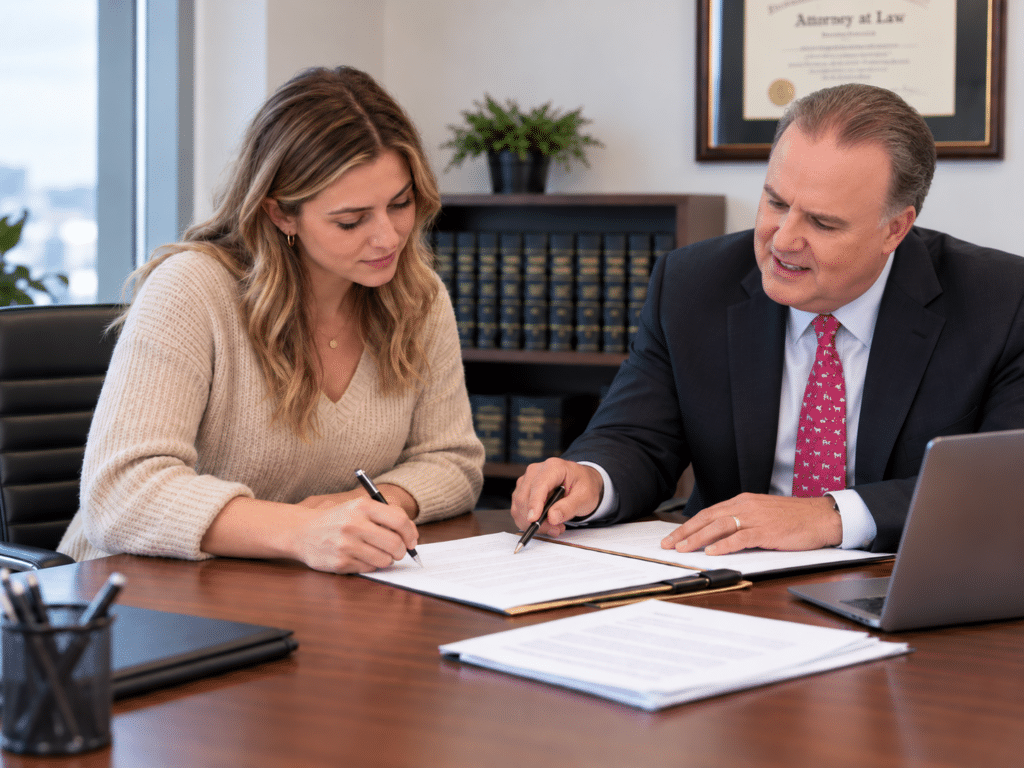
Establishing a good relationship with your lawyer will also help you keep them from stopping your case. Key elements in creating that relationship are:
* Clearly defining what your lawyer is supposed to do for you
* Communicating effectively, timely
* Being transparent about everything
* Showing appreciation for their hard work.
* Building trust
Each of these points can greatly improve your relationships with lawyers and decrease the possibility of them leaving you. Demonstrating an ability to follow through with your word and maintain professionalism is beneficial as well.
Communication is Key
Open communication is key to avoiding misunderstandings that could jeopardize your case. Regular updates and check-ins with your attorney help clarify expectations and ensure you are on the same page as both parties. Active listening during discussions will enhance your relationship with your attorney which will be more productive than if you did not.
Follow Your Lawyer’s Instructions
When you follow the instructions of your attorney, it is evidence of your loyalty to your cause and will improve the possibilities for success with regard to the resolution of your case. By complying with your counsel’s direction, you are able to make your representation as effective as possible. Moreover, by adhering to the direction of your counsel, you create a basis upon which to develop trust within the professional relationship you have developed with your counselor.
Adherence to the directions of your counsel concerning your case indicates your loyalty to your case and may help ensure that your legal process proceeds smoothly.
Resolve Any Possible Financial Issues
Resolving any potential financial issues prior to them becoming a problem can prevent misunderstanding, or miscommunication that would result in your lawyer(s) withdrawing from representing you. Resolving the issue of how your payments (fees) will be made; what potential costs associated with your case are expected to occur; and/or who is financially responsible for certain costs and fees early in your case development can help avoid problems down the road.
Resolving these questions regarding cost/fee arrangements at an early time can also assist in developing a positive workable relationship with your lawyer. It can also decrease the possibility of having your claim(s) dropped by a lawyer due to a dispute over cost/fee arrangements.
Hurt? Let Jay and His Team Help You
Call for YOUR FREE Case Review
Hurt? Let Jay and His Team Help You
Call for YOUR FREE Case Review
Why It’s Important to Choose a New Lawyer Quickly
Selecting a new lawyer as soon as possible after being dismissed from a personal injury case is important to keep your claim active, and to get the best result. The longer it takes to hire a new attorney will cause delays in the overall litigation of your case. In order to have the most competent and effective lawyer selected for your case, consider hiring a lawyer that has extensive experience with personal injury claims; is willing to communicate with you; and has received good testimonial information about their performance by former clients.
The next several sections provide additional information regarding how to verify a lawyer’s background; request a detailed plan for your case; and understand how much it may cost to represent you. Taking these necessary steps will help you find the appropriate lawyer and will assist you through this difficult time.
Verify Background Information
It is also very important to verify the qualifications of your new lawyer. This verification will be done so that the new attorney understands your case and will advocate on your behalf. Verifying an attorney’s qualifications can include searching their licensure status to determine if the attorney is licensed to practice law in a jurisdiction where they are representing you. Also, reading online testimonials or reviews of lawyers can give you insight as to whether the attorney is professional and able to satisfy their client’s needs.
Ask Your Attorney to Create a Clear Case Strategy
When meeting with an attorney for the first time, ask them to create a detailed case plan. A detailed case plan will allow your attorney to fully develop a strategy for your case. The attorney should be able to explain during your first meeting how they intend to proceed on your behalf. By asking for a detailed case plan, you will know what your attorney intends to do and what results to expect as the result of their work.
A detailed case plan also gives you and your attorney a common understanding of the direction the case will take. It can provide you with much needed peace of mind about your new legal team.
Know How Much Money You Will Pay
Knowing exactly how much money it will cost you to hire a new attorney is one way to avoid some costly mistakes down the road. Some things that you may want to discuss with the attorney about paying for services are:
- When are payments due?
- Who will pay all costs associated with pursuing your claim at this point so there won’t be any disagreements later?
- What type of lien will I owe my former attorney prior to hiring a new one?
Discussing these questions up front will help you build trust with your new attorney and avoid future disagreements over money.
Frequently Asked Questions
Why would my personal injury lawyer drop my case?
Your personal injury lawyer could possibly dismiss your case because there isn’t enough evidence; there’s a low possibility of recovering financially; or they haven’t received sufficient information from you. To increase the strength of your case, continue to communicate clearly with your attorney and submit any additional information requested by your attorney.
What do I need to do if my personal injury attorney drops my case?
If your attorney withdraws from your case, it’s best to find out the status of your claim as quickly as possible. Then you need to get your client file from the law firm and be sure you’re not missing any deadlines. Collecting these documents now will allow you to keep your case on track and best represent yourself during this time.
How can I prevent my lawyer from dismissing my case?
You can avoid your lawyer dismissing your case by maintaining regular contact with them (by email, phone or in person), following their guidance and discussing any potential financial issues prior to them becoming an issue. A good relationship between you and your lawyer will help promote a good working relationship between you two.
What is the process for an attorney withdrawing from a client’s case?
In general, clients are entitled to terminate their relationship with an attorney at will, with or without cause. However, once the attorney enters into a lawsuit by making an appearance, he is required to file a formal motion to withdraw as counsel of record with the Court prior to withdrawing his representation under Texas Rule of Civil Procedure
 Call (214) 855-1420
